


Essential Things to Do in Beijing for First Time Visitors
Beijing rewards visitors with world-class attractions that showcase China’s imperial past. The city’s layout follows ancient principles, with the Forbidden City at its heart and attractions radiating outward in perfect harmony. I found that booking tours through Klook provided excellent value and skip-the-line access to major sites.
Your Beijing itinerary should prioritize the Big Five attractions: the Forbidden City, Great Wall, Summer Palace, Temple of Heaven, and the hutongs. These sites represent different aspects of Chinese culture and history, from imperial power to spiritual traditions. Each deserves at least half a day to fully appreciate.
Exploring the Magnificent Forbidden City
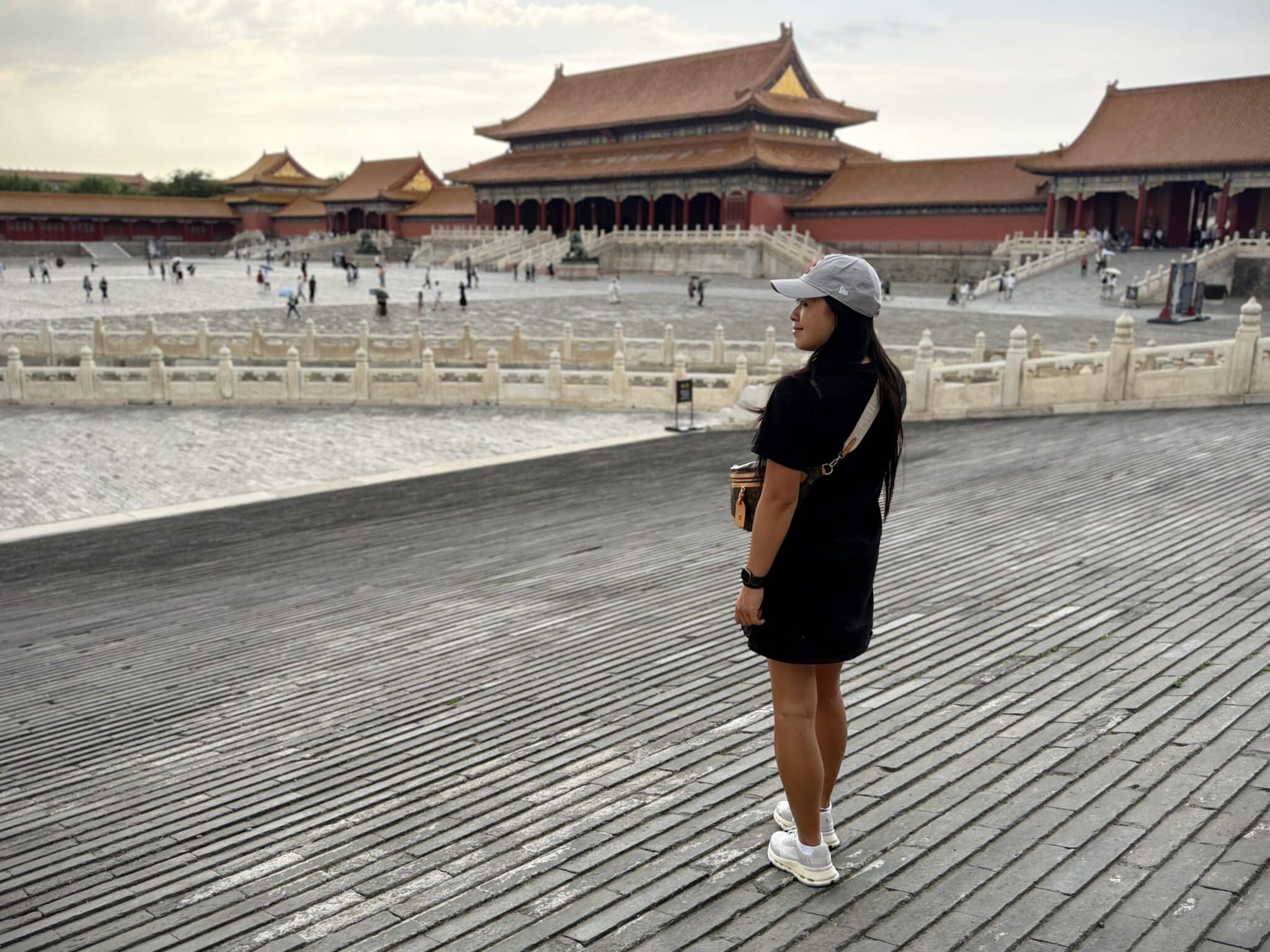
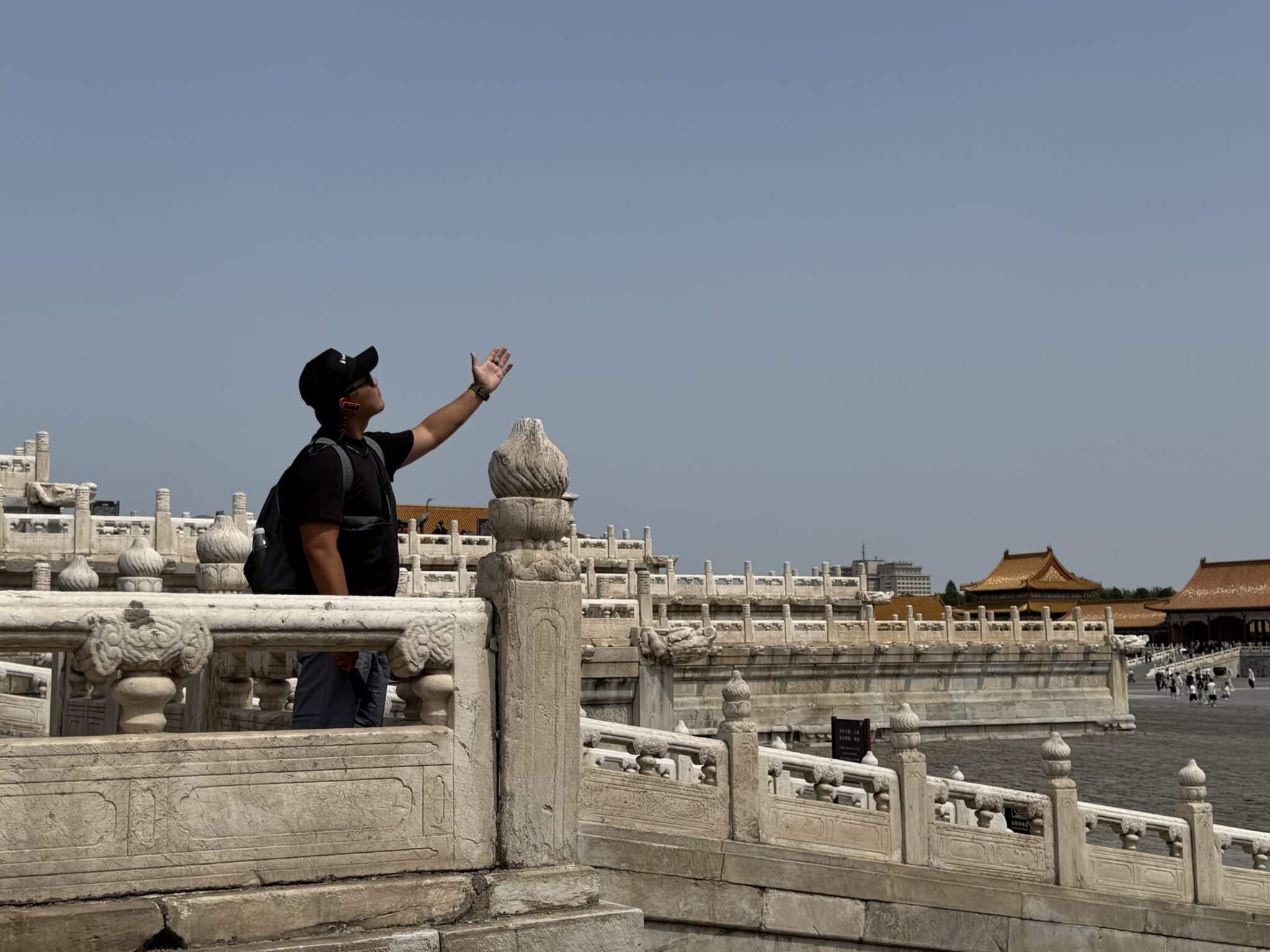
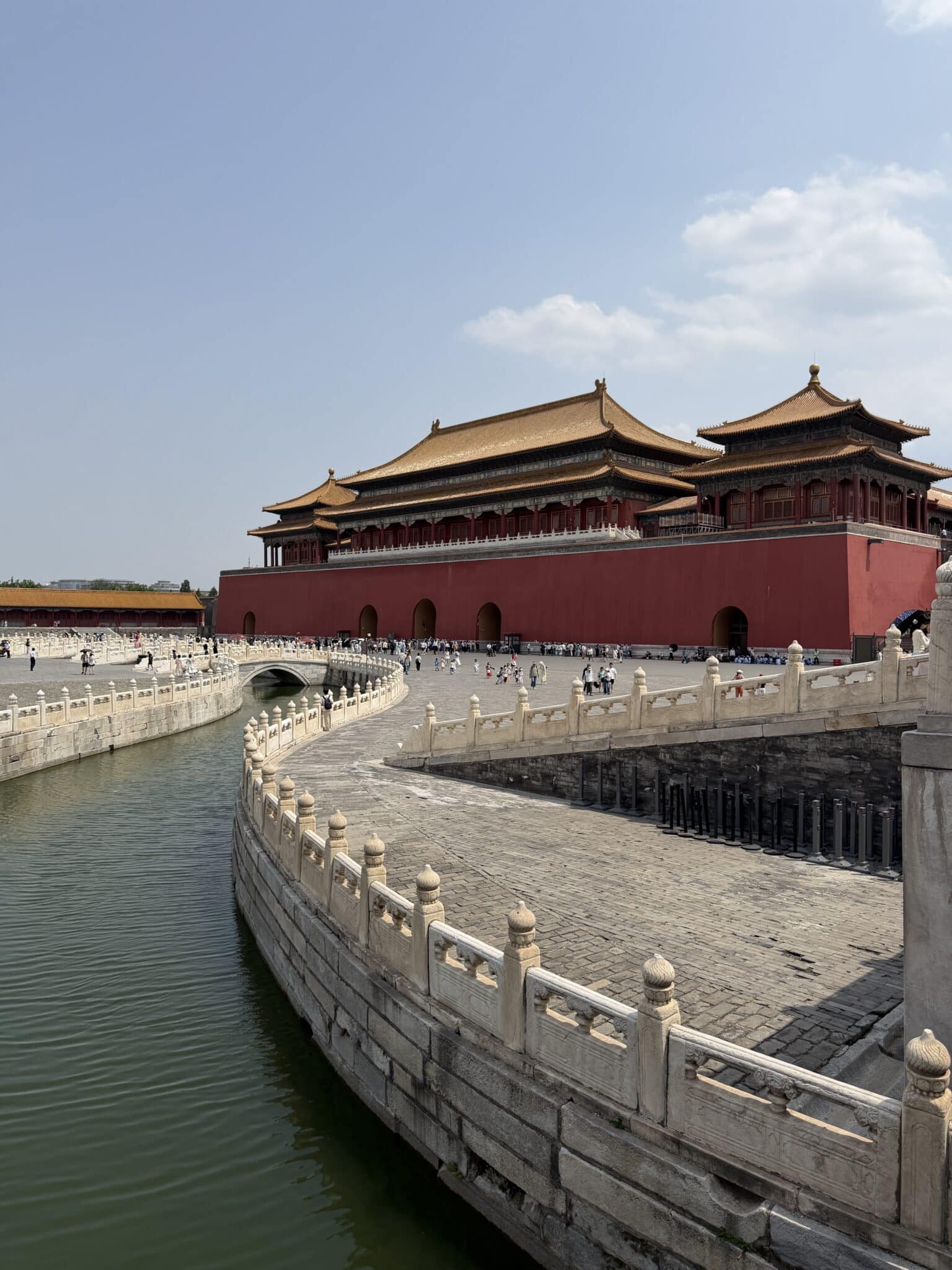
The Forbidden City stands as Beijing’s crown jewel and China’s most visited attraction. This UNESCO World Heritage site housed 24 emperors across nearly 500 years of Ming and Qing dynasties. Walking through the massive gates feels like stepping back in time to an era of absolute imperial power.
I recommend arriving early morning to beat the crowds and secure the best photos. The complex spans 180 acres with over 900 buildings, so comfortable walking shoes are essential. Audio guides bring the history to life, explaining how the palace’s design reflects ancient Chinese cosmology and imperial hierarchy.
The Hall of Supreme Harmony impressed me most with its golden throne and intricate ceiling decorations. This ceremonial hall hosted coronations and important state functions. Don’t miss the Imperial Garden at the north end, where emperors once strolled among ancient cypress trees and ornate pavilions.

Great Wall Experience at Mutianyu
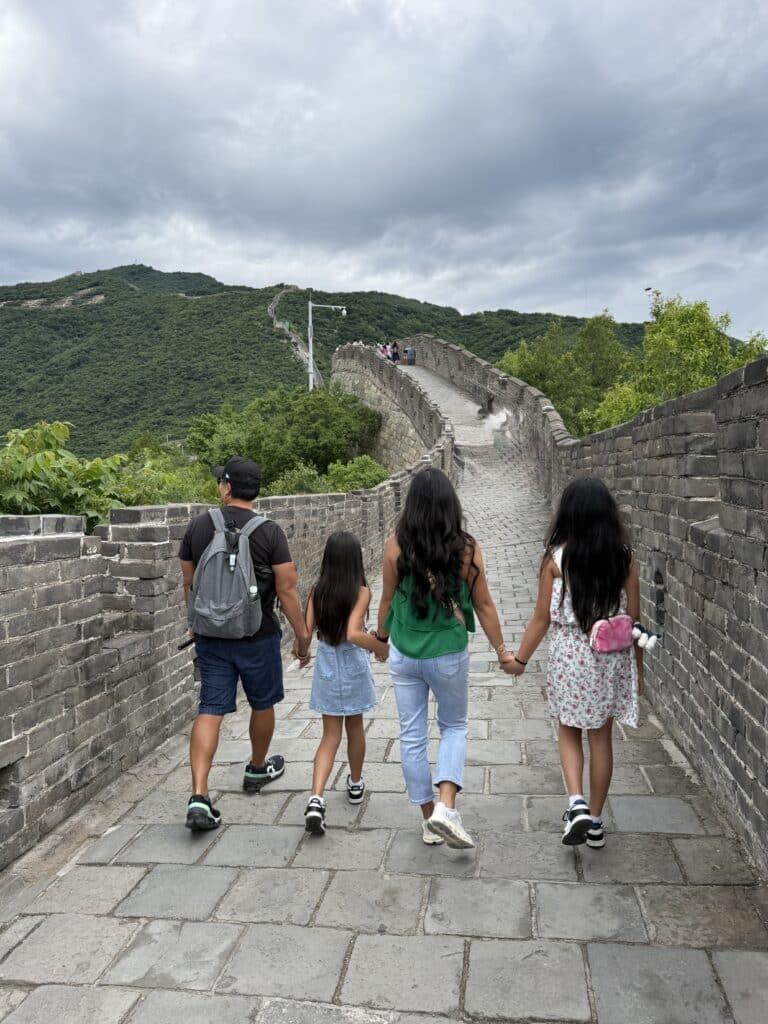
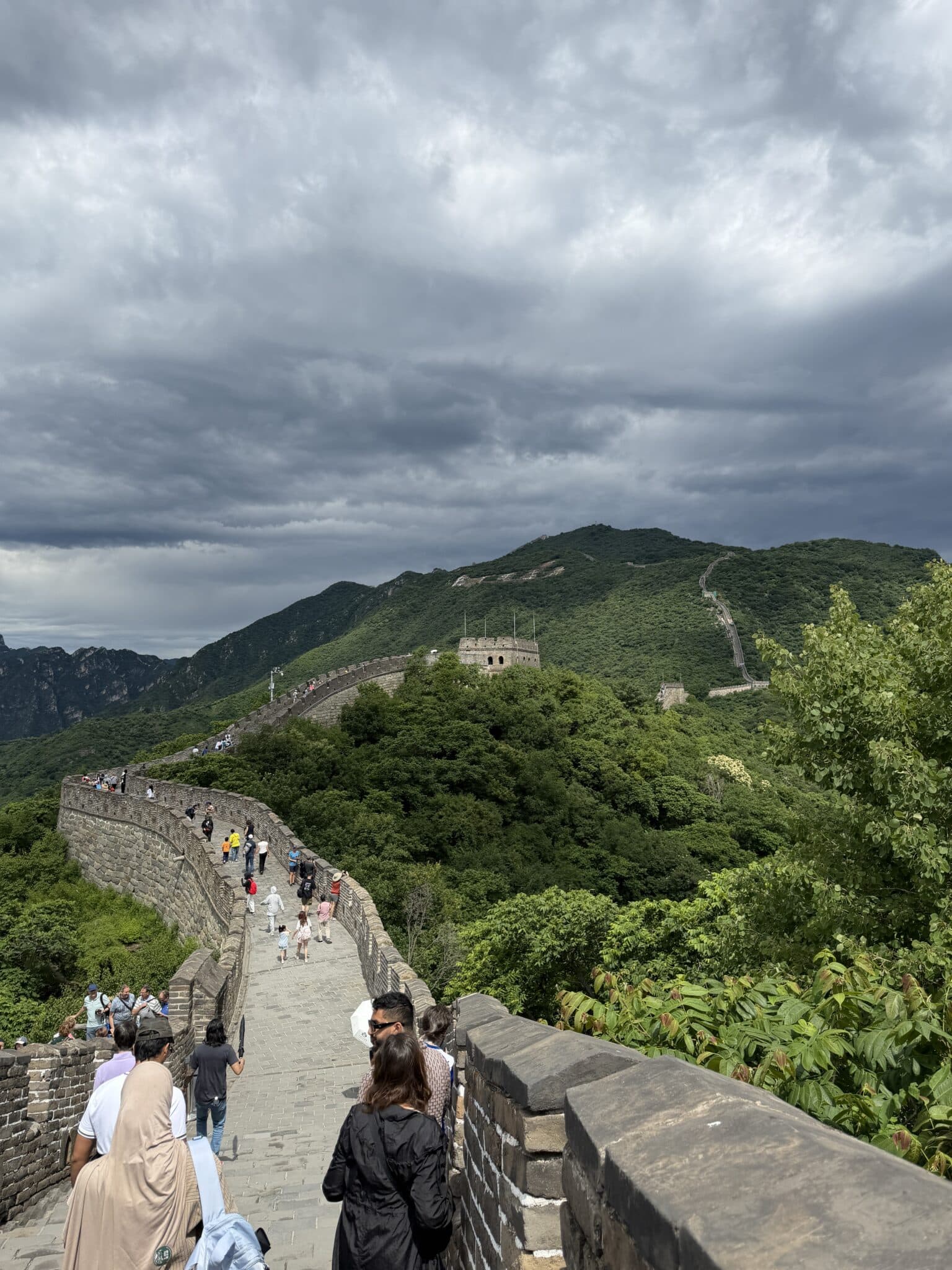
Choosing Mutianyu over Badaling for my Great Wall experience proved absolutely brilliant. While Badaling attracts massive tour groups, Mutianyu offers a more authentic and less crowded experience. The cable car system makes the steep climb effortless, letting you save energy for exploring the wall itself.
The cable car ride up the mountain provides stunning views of the surrounding countryside. Once at the top, the Great Wall stretches endlessly in both directions across mountain ridges. The restored section at Mutianyu showcases the wall’s original grandeur while providing safe walking paths.
I spent three hours hiking along the wall, marveling at the engineering feat accomplished over 2,000 years ago. The watchtowers offer perfect photo opportunities and glimpses into how soldiers once defended China’s northern borders. The toboggan ride down adds an unexpected thrill to your Great Wall adventure.
Summer Palace: Imperial Gardens and Architecture
The Summer Palace represents the pinnacle of Chinese landscape garden design. This vast complex served as the imperial family’s retreat from Beijing’s summer heat. Kunming Lake dominates the grounds, with traditional pavilions and bridges creating picture-perfect reflections on the water’s surface.
The Long Corridor stretches for 728 meters along the lake shore, decorated with over 14,000 painted scenes from Chinese literature and history. Walking this covered walkway feels like browsing through an outdoor art gallery. Each panel tells a different story from China’s rich cultural tradition.
Climbing Longevity Hill rewards visitors with panoramic views across the entire palace complex. The Tower of Buddhist Incense crowns the hill, serving as both architectural masterpiece and spiritual center. Boat rides across Kunming Lake provide a relaxing way to see the palace from the water.
Temple of Heaven: Spiritual Heart of Beijing
The Temple of Heaven showcases China’s spiritual heritage through magnificent architecture and sacred rituals. Emperors once came here to pray for good harvests and commune with heaven. The circular buildings represent heaven, while the square bases symbolize earth in traditional Chinese cosmology.
The Hall of Prayer for Good Harvests stands as Beijing’s most recognizable landmark after the Forbidden City. This wooden structure uses no nails in its construction, relying entirely on interlocking joints and brackets. The blue-tiled roof and red pillars create a striking contrast against Beijing’s often gray sky.
Early morning visits reveal local life at its most authentic. Elderly residents practice tai chi, play traditional instruments, and engage in calligraphy using water brushes on pavement stones. This living cultural display adds depth to your temple experience beyond the historical architecture.
Must-Try Things to Do in Beijing Beyond Tourist Sites
Beijing’s hutongs offer intimate glimpses into traditional neighborhood life. These narrow alleyways wind between courtyard houses called siheyuan, preserving Beijing’s original urban fabric. Rickshaw tours navigate the maze-like streets while guides share stories about hutong families and traditions.
Food experiences in Beijing extend far beyond Peking duck, though that remains mandatory eating. Street food markets like Wangfujing showcase regional specialties from across China. I tried everything from scorpion skewers to traditional Beijing yogurt, each bite revealing new flavors and textures.
The Beijing tourism board recommends visiting local tea houses for authentic cultural experiences. Tea ceremonies demonstrate centuries-old traditions while providing peaceful breaks between sightseeing marathons. The jasmine tea culture in Beijing differs significantly from other Chinese regions.

Know Before You Go: Essential Beijing Travel Tips
Bring your passport everywhere during your Beijing visit. This document serves as your ticket to everything from hotel check-ins to attraction entries. Many sites require passport verification for ticket purchases and security checks. Keep it easily accessible but secure at all times.
Beijing’s metro system efficiently connects major attractions, but stations can be overwhelming during rush hours. Download offline maps and learn basic Mandarin phrases for directions. Taxi drivers rarely speak English, so having destination names written in Chinese characters proves invaluable.
Weather varies dramatically between seasons, with summer bringing intense heat and humidity while winter delivers bitter cold and occasional snow. Spring and autumn offer the most comfortable conditions for sightseeing. Air quality can affect outdoor activities, so check pollution levels before planning extensive walking tours.
Currency exchange works best at official banks rather than hotel counters. Major attractions accept mobile payments like Alipay and WeChat Pay, but cash remains necessary for street food and small vendors. Tipping is not expected in Beijing, unlike many Western destinations.
Beijing truly offers some of the most remarkable things to do in Beijing that blend history, culture, and unforgettable experiences into one incredible destination. From standing where emperors once ruled to walking along humanity’s greatest architectural achievement, every moment in Beijing creates lasting memories. Which of these Beijing experiences excites you most for your upcoming adventure?