


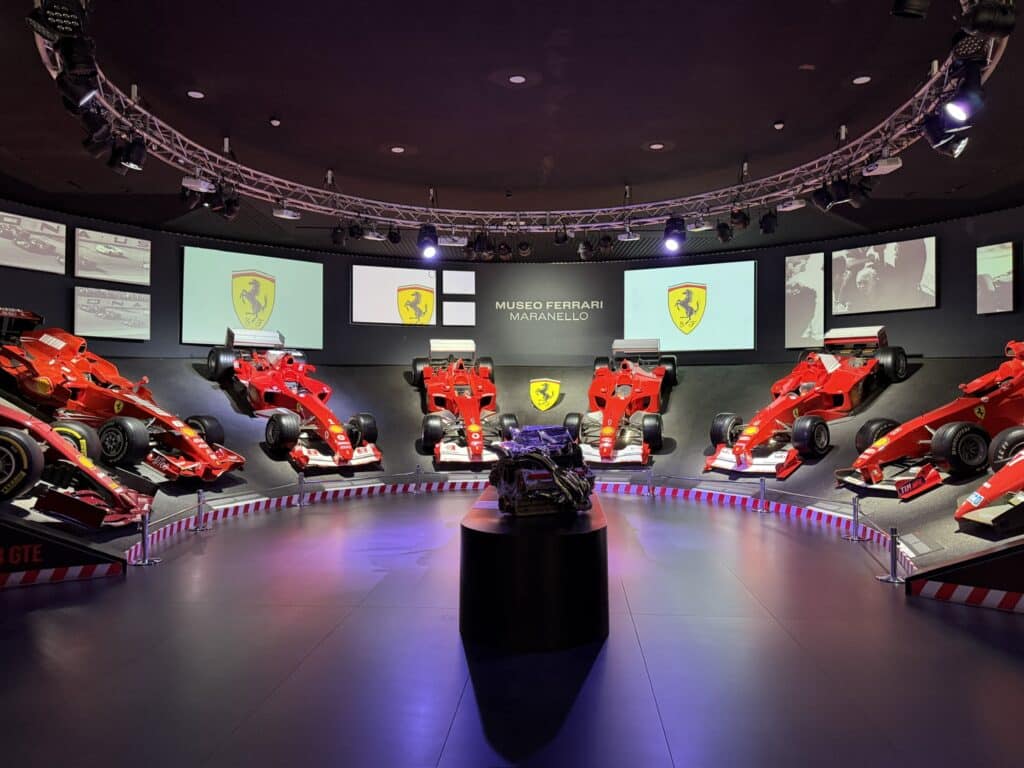
The Ferrari Museum Maranello offers an extraordinary glimpse into the world’s most iconic racing brand, right in the heart of Italy’s Motor Valley. Walking through these hallowed halls, I felt the pulse of automotive history surrounding me as legendary vehicles gleamed under carefully positioned lights.
Maranello isn’t just another Italian town; it’s the beating heart of Ferrari’s empire. Every street corner whispers stories of racing triumphs, engineering brilliance, and the passion that drives one of the world’s most celebrated automotive brands.

Discovering the Ferrari Museum Maranello Experience
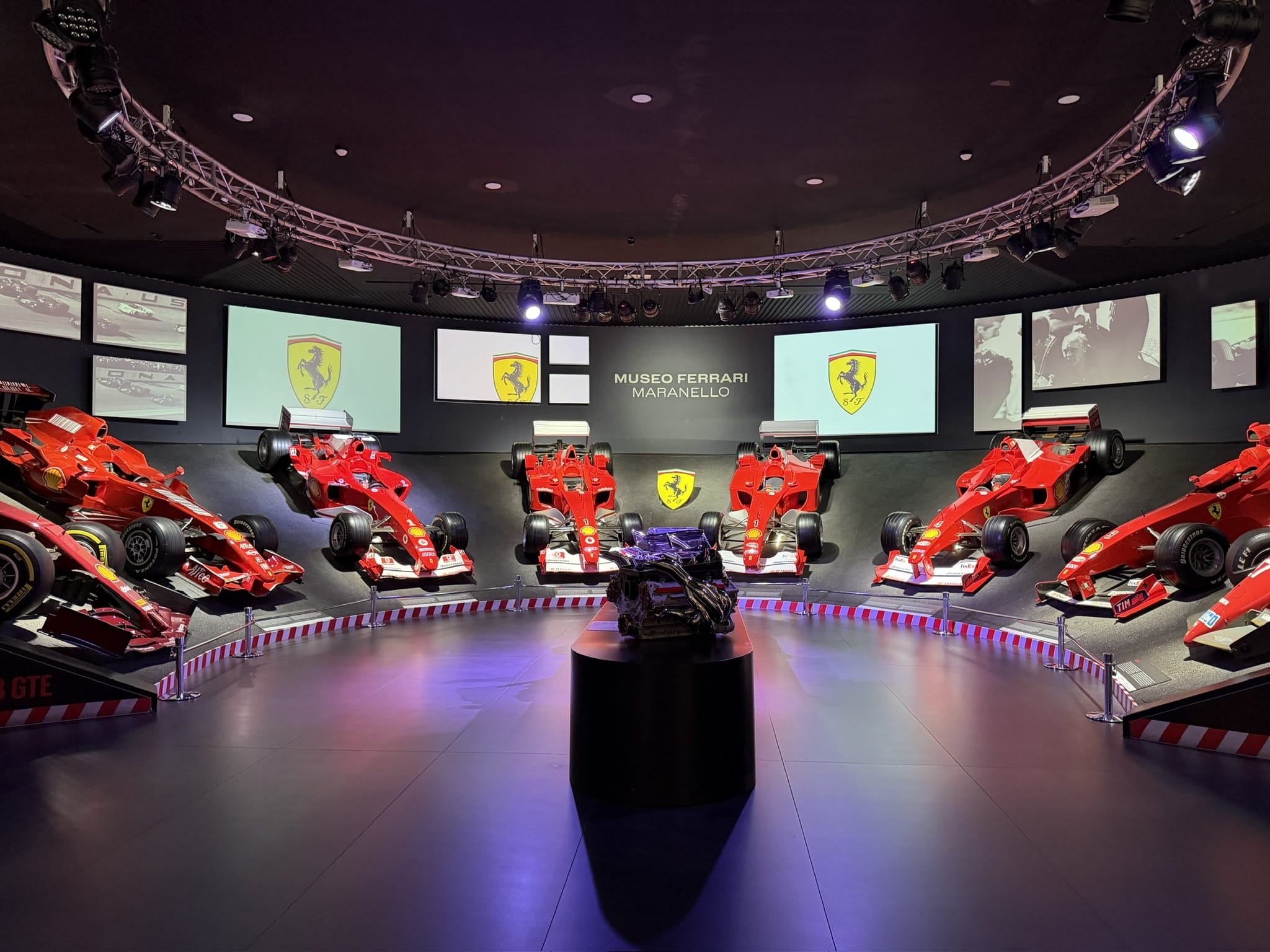
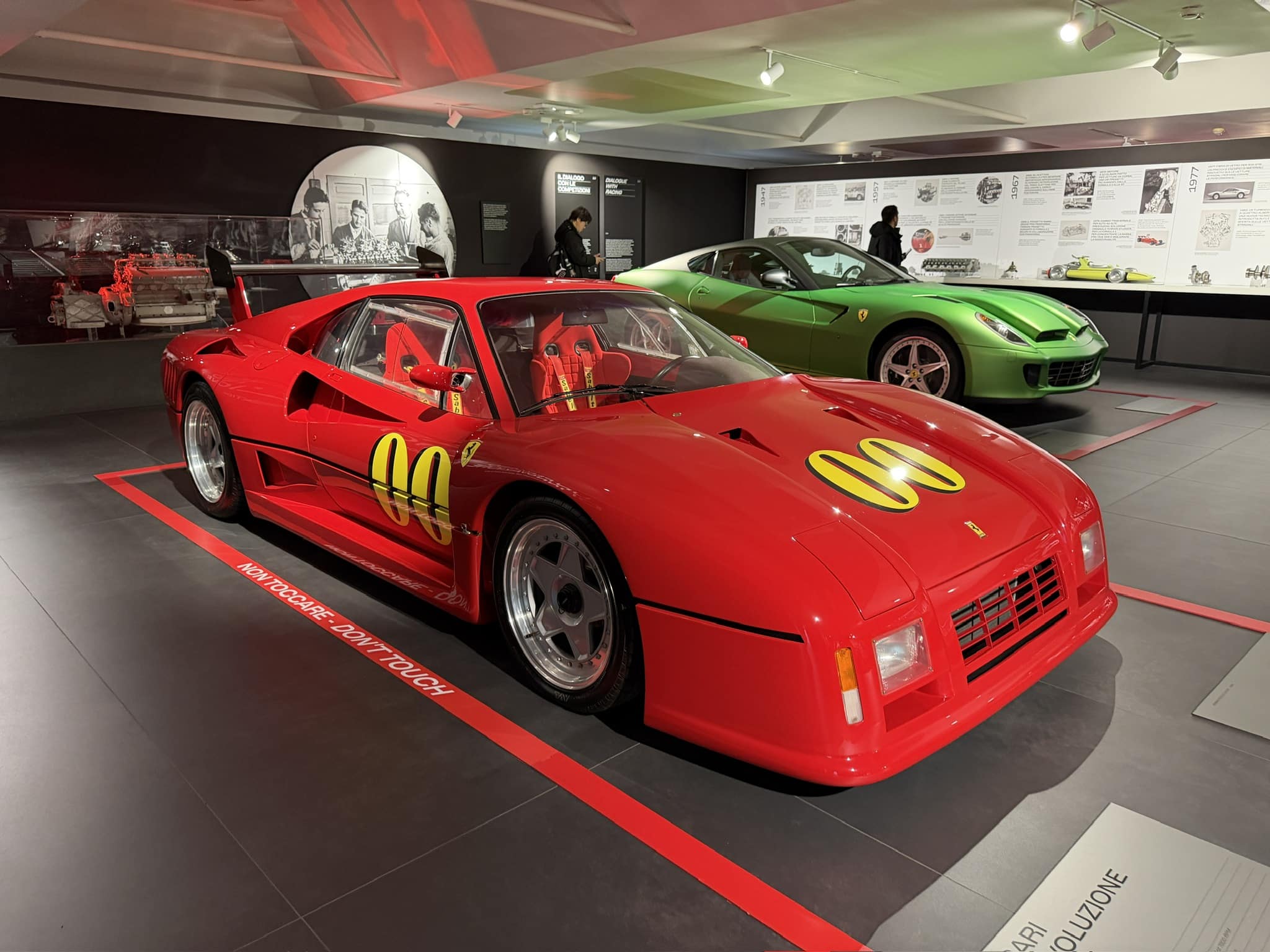
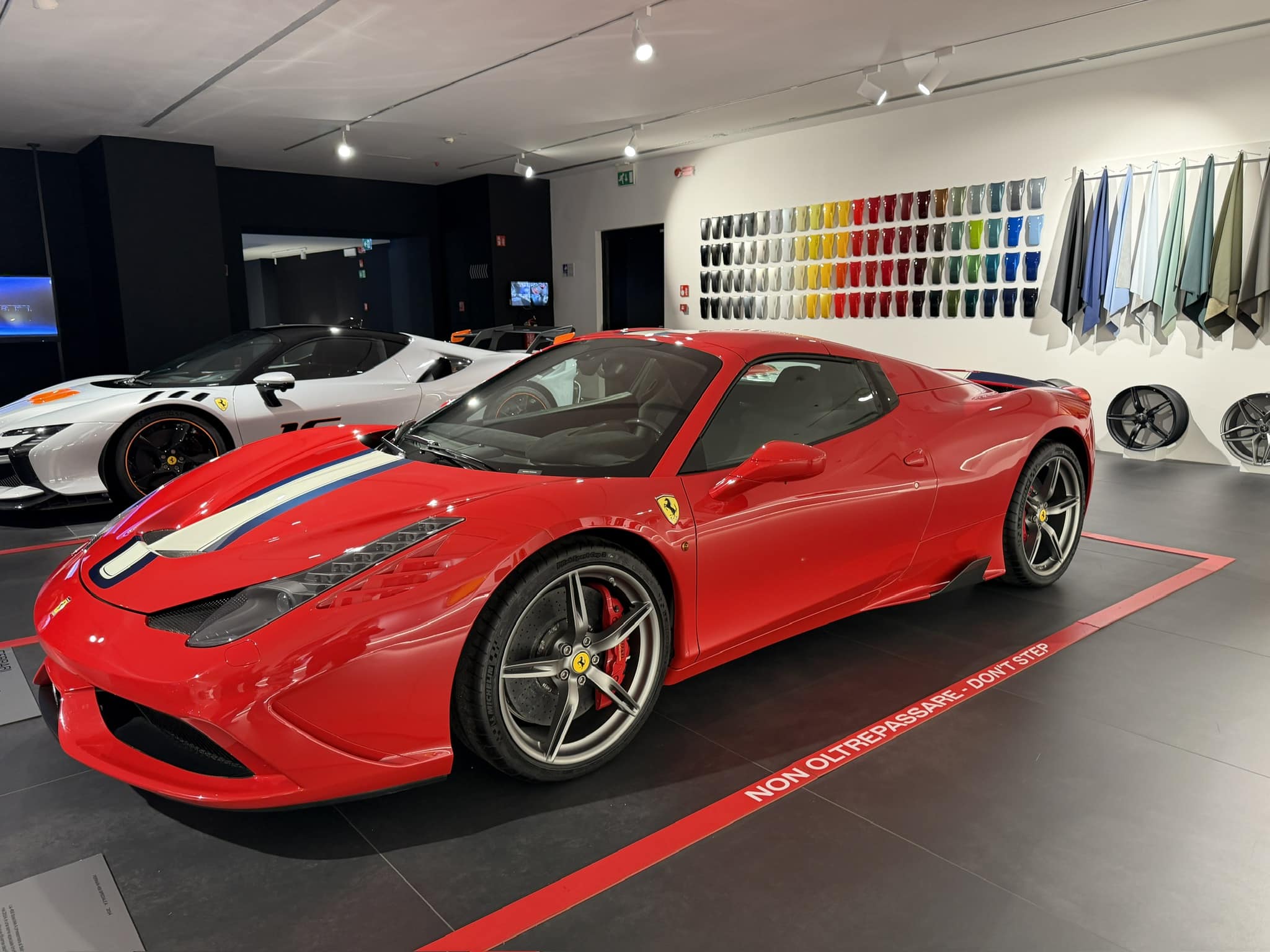
The moment I stepped inside the museum, the intoxicating scent of leather and the gleam of pristine metal transported me into Ferrari’s extraordinary universe. The museum showcases an impressive collection that spans decades of racing heritage, from early competition cars to modern Formula 1 champions.
Interactive exhibits allow visitors to dive deep into Ferrari’s technical innovations. I spent considerable time exploring the engine displays, marveling at the intricate engineering that powers these mechanical masterpieces. The museum does an excellent job of balancing technical details with accessible storytelling that captivates both car enthusiasts and casual visitors.
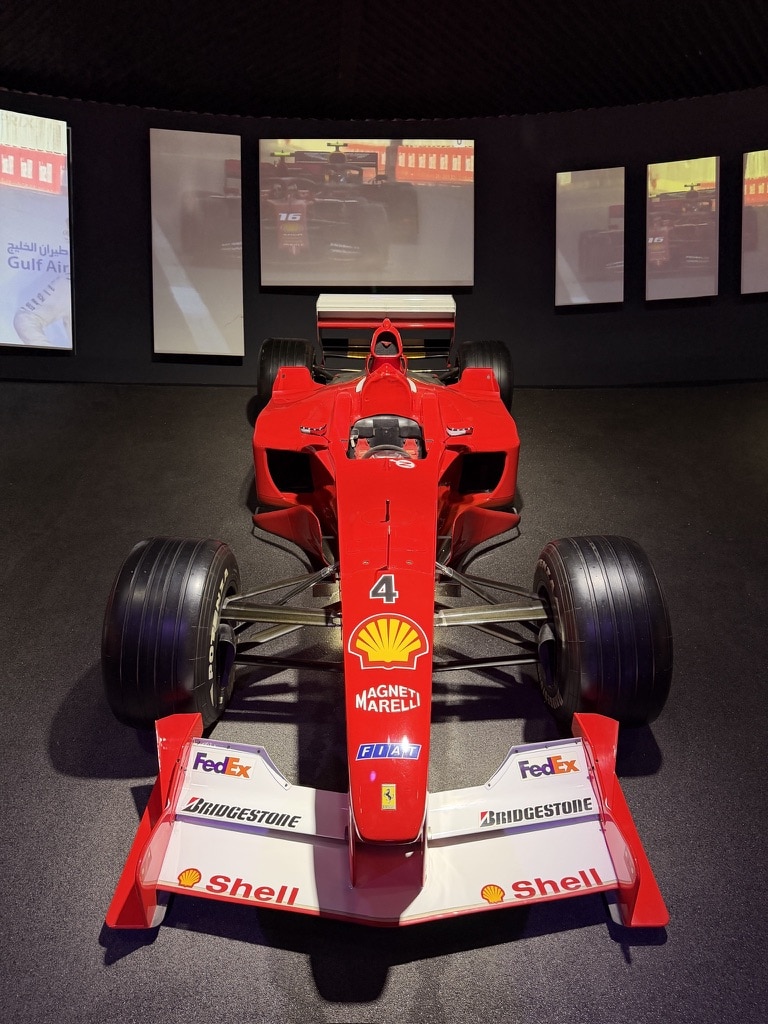
One of the most striking sections features actual Formula 1 cars that dominated racetracks around the world. Standing inches away from vehicles that crossed finish lines at Monaco and Silverstone gave me goosebumps. The craftsmanship visible in every curve and component speaks to decades of Italian engineering excellence.

Things to Do in Maranello Italy Beyond the Museum
While the Ferrari Museum serves as Maranello’s crown jewel, the surrounding town offers additional attractions for automotive enthusiasts. The Ferrari factory, visible from various points around town, continues active production of these legendary vehicles.
Walking through Maranello’s streets, I noticed how the entire community revolves around Ferrari’s presence. Local shops display Ferrari merchandise, restaurants feature racing memorabilia, and even street signs incorporate the famous prancing horse logo. The town genuinely embraces its identity as the home of Ferrari.
The official Ferrari experience extends beyond the museum walls into the fabric of daily life here. Visitors can explore the surrounding Emilia-Romagna region, known for its culinary excellence and additional automotive attractions.
Inside the Ferrari Museum: Highlights and Must-See Exhibits
The museum’s layout guides visitors through a chronological journey of Ferrari’s evolution. Early exhibits showcase Enzo Ferrari’s racing background and the company’s transition from racing team to road car manufacturer. Historical photographs and documents provide context for understanding how this small Italian company became a global phenomenon.
Contemporary displays feature cutting-edge technology that Ferrari continues developing for both racing and road applications. Interactive simulators allow visitors to experience the thrill of driving Ferrari vehicles on famous racing circuits. These high-tech experiences bridge the gap between museum observation and hands-on engagement.
The Hall of Victory stands as perhaps the most emotionally powerful section. Championship trophies, driver helmets, and race-worn uniforms tell stories of triumph and heartbreak on racing circuits worldwide. Reading about legendary drivers like Michael Schumacher and their achievements while surrounded by their actual equipment creates an incredibly immersive experience.
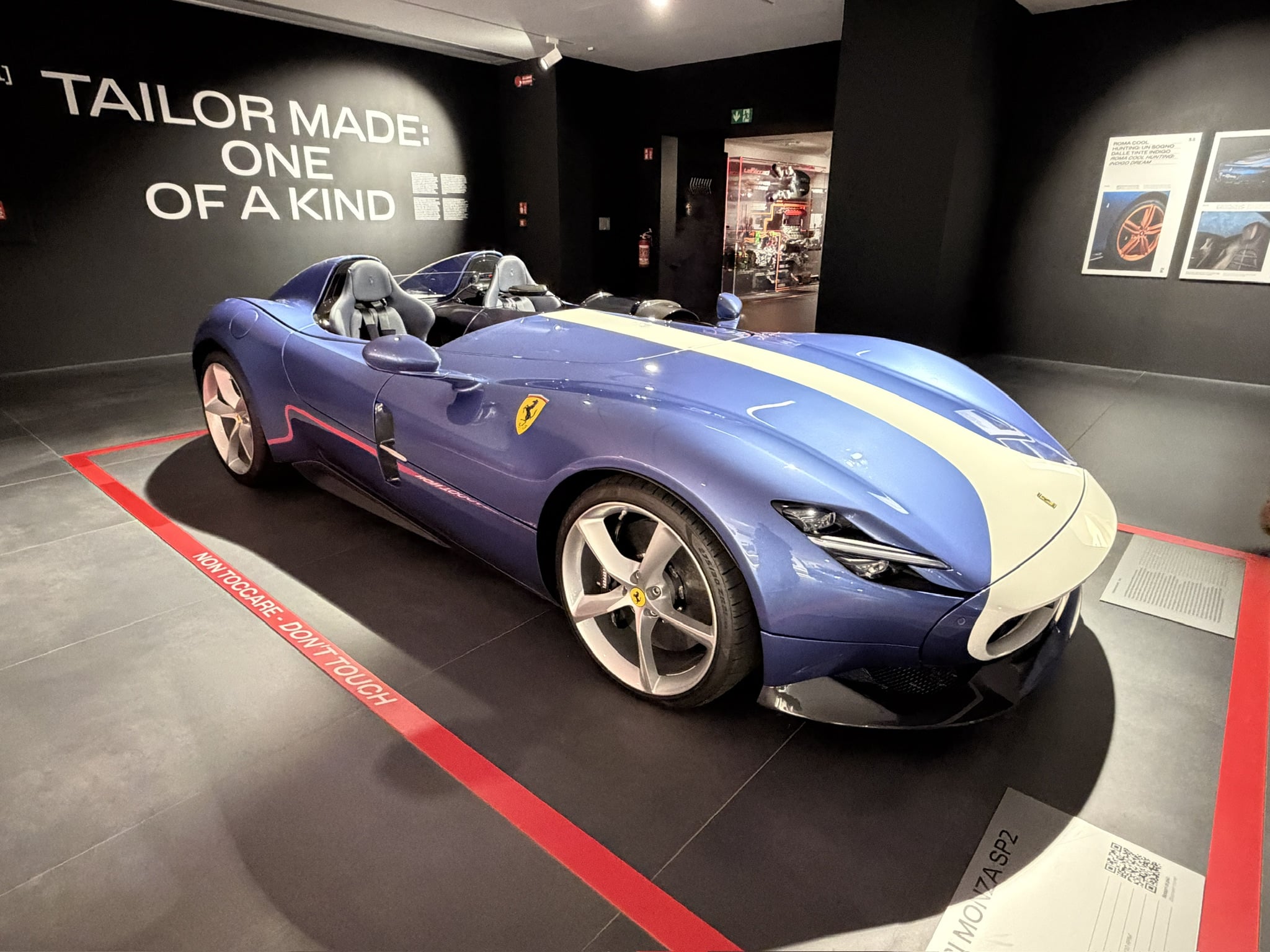
Special exhibitions rotate regularly, ensuring that repeat visitors always discover something new. During my visit, a temporary display focused on Ferrari’s design evolution, showcasing how the brand’s aesthetic language developed over decades while maintaining its distinctive character.
Planning Your Visit: Practical Information for Ferrari Museum Maranello
The museum operates year-round with varying seasonal hours. I recommend checking the official Modena tourism website for current schedules and any special events that might affect regular operations. Advance booking ensures entry, particularly during peak tourist seasons when crowds can be substantial.
Audio guides available in multiple languages enhance the visiting experience significantly. The detailed commentary provides insights that aren’t immediately obvious from exhibits alone. I found the technical explanations particularly valuable for understanding the engineering innovations that set Ferrari apart from competitors.
Photography policies allow personal photos throughout most museum areas, though flash photography is prohibited to protect sensitive materials. The museum shop offers an extensive selection of Ferrari merchandise, from scale models to authentic racing gear, perfect for commemorating your visit.
Getting to Maranello: Transportation and Access
Maranello sits approximately 18 kilometers south of Modena in the Emilia-Romagna region. The most convenient approach involves flying into Bologna airport and renting a car for the scenic drive through Italian countryside. Public transportation options exist but require multiple connections that can consume significant travel time.
Driving offers the additional advantage of exploring the broader Motor Valley region, which houses several other automotive manufacturers and museums. The route from Bologna provides beautiful views of Italian countryside and small towns that embody the region’s automotive heritage.
Train connections from major Italian cities reach Modena station, from where local buses provide service to Maranello. This option works well for visitors who prefer public transportation or those incorporating Maranello into broader Italian rail journeys. [INTERNAL LINK: best day trips from Bologna]
The Story Behind Ferrari’s Maranello Home
Enzo Ferrari established his company in Maranello in 1943, transforming this quiet agricultural town into the epicenter of automotive excellence. The decision to locate here, rather than in Italy’s industrial centers, reflected Ferrari’s desire to maintain intimate control over every aspect of production while preserving the artisanal approach that defines the brand.
Today’s Maranello represents the successful marriage of traditional Italian craftsmanship with cutting-edge technology. The Ferrari factory continues producing road cars and Formula 1 vehicles side by side, maintaining the close connection between racing development and consumer products that has always characterized the company.
Local residents take immense pride in their town’s automotive heritage. Many families have multiple generations employed by Ferrari, creating a community deeply invested in the company’s success. This connection between place and product gives Maranello an authentic character that purely commercial attractions cannot replicate.
Practical Tips for Your Ferrari Museum Visit
Budget at least two hours to see the entire museum comfortably without feeling rushed. This timeframe allows for reading exhibit descriptions, watching multimedia presentations, and taking photos while absorbing the incredible automotive history on display.
Comfortable walking shoes are essential, as the museum involves considerable standing and walking on various surfaces. The facility is fully accessible for visitors with mobility challenges, with elevators and ramps providing access to all exhibition areas.
Consider visiting during weekday mornings for smaller crowds and better photo opportunities. Weekend visits, while busier, often feature special events or activities that enhance the overall experience. The museum’s regional museum network offers combination tickets for multiple attractions in the area.
Timing your visit to coincide with Formula 1 testing or special Ferrari events can provide additional excitement, though these occasions also attract larger crowds. Check Ferrari’s racing calendar when planning your trip to potentially witness some behind-the-scenes activity.
Beyond Cars: Maranello’s Italian Culture and Cuisine
Emilia-Romagna’s reputation as Italy’s food capital extends throughout Maranello, where local restaurants serve regional specialties alongside views of Ferrari facilities. Traditional trattorias offer authentic Italian dining experiences that complement your automotive tourism perfectly.
Local specialties include handmade pasta, aged Parmigiano-Reggiano cheese, and traditional balsamic vinegar from nearby Modena. Many restaurants display Ferrari memorabilia while serving these regional delicacies, creating a unique dining atmosphere that celebrates both automotive and culinary excellence.
The surrounding countryside features vineyards and agricultural areas that supply ingredients for local cuisine. Taking time to explore beyond the museum reveals the broader Italian lifestyle that serves as Ferrari’s cultural foundation. [INTERNAL LINK: best Italian food experiences Emilia-Romagna]
Visiting the Ferrari Museum Maranello provided me with an unforgettable journey through automotive history while showcasing Italian passion for excellence. The combination of legendary vehicles, innovative technology, and authentic Italian atmosphere creates an experience that resonates long after leaving. Whether you’re a dedicated car enthusiast or simply curious about Italian culture, this museum offers insights into how passion and craftsmanship can create global icons. [INTERNAL LINK: top museums in northern Italy]
What aspects of Ferrari’s story intrigue you most: the racing heritage, the engineering innovations, or the Italian craftsmanship tradition?